
Rush Hour
18×Real-time street traffic
Call the number of cars crossing live CCTV feeds pulled from six cities worldwide.
RTP
91.50–93.50%
Round
~55s
Max
18×
Over/UnderRange
Details →155.io runs eight live-streamed betting games, and not one of them touches a software RNG. Two lean on the CCTV-camera format we specialize in here (Rush Hour, Snow Run); the rest run on physical setups inside their studio — marbles, ducks, coins. Below is the full lineup: mechanics, top payouts, and where we stand on each one.
Results come straight from live CCTV camera feeds — an AI counts whatever crosses a marked line. This is where we put most of our editorial depth.
Real-time street traffic
Call the number of cars crossing live CCTV feeds pulled from six cities worldwide.

Live mountain slopes
Same counting mechanic as Rush Hour, only now it's skiers crossing a checkpoint on an actual mountain.
Physical objects — plastic ducks, coins — interacting with real-world settings, streamed as it happens.
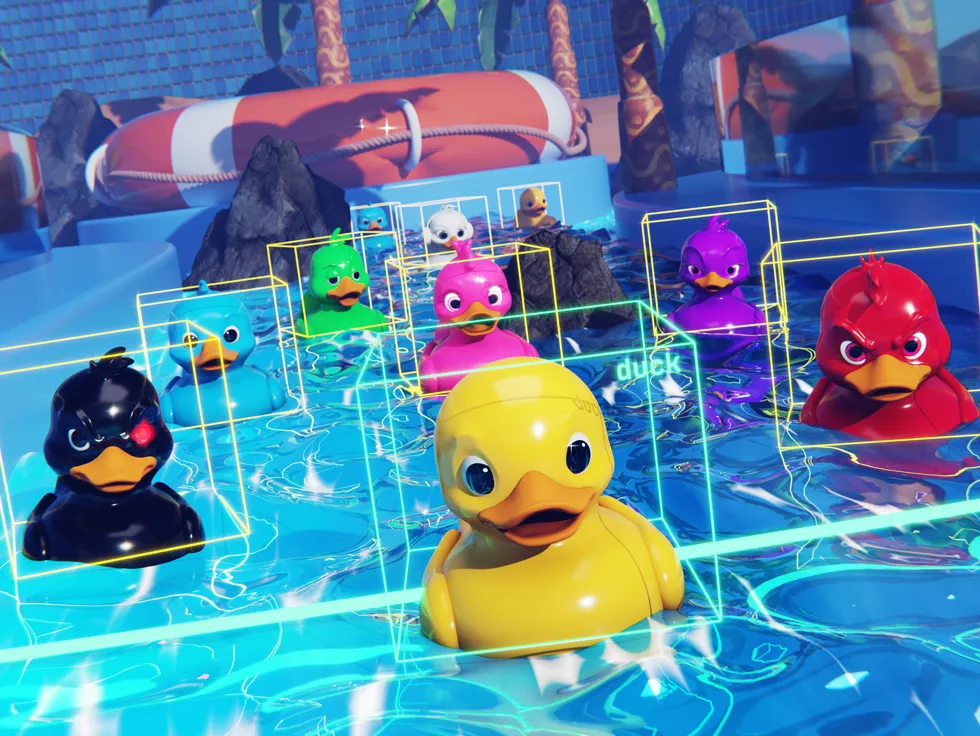
Plastic-duck races
Eight physical ducks float down a real lazy river past rocks, rapids, and a crocodile prop.
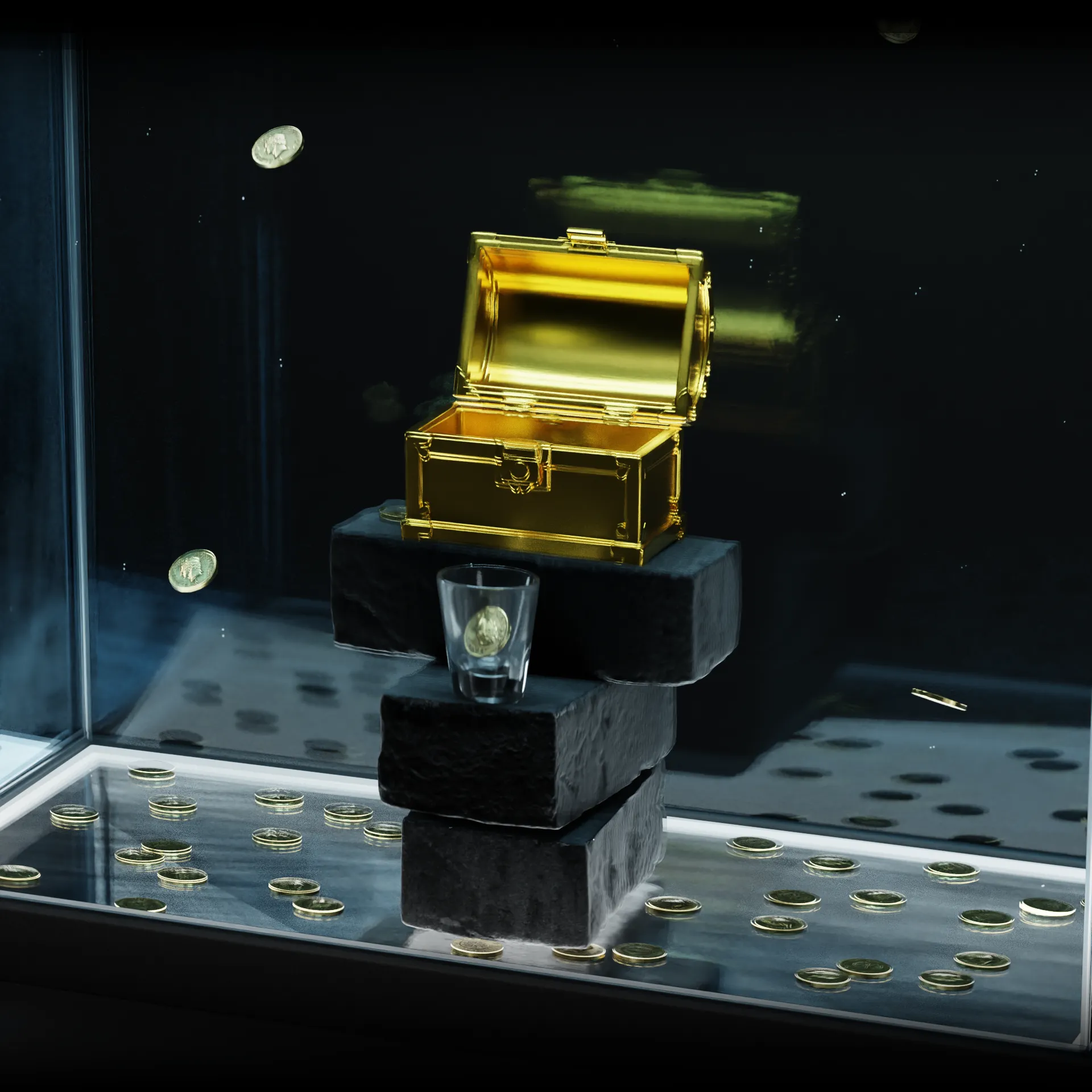
Coin drop in a live tank
A real coin sinks through a live aquarium — call which zone it lands in.
Controlled physics rigs built inside a 155.io studio — marbles, ping-pong balls, and similar setups.
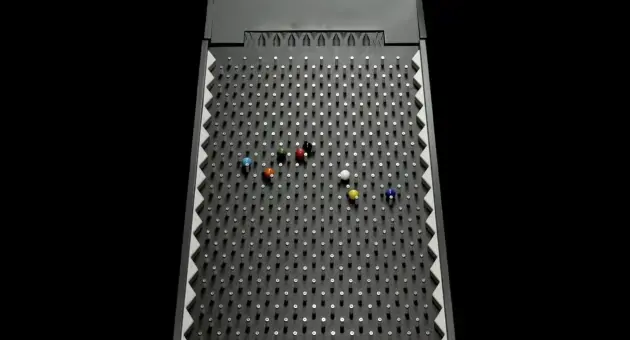
Physical marble Plinko
Eight real marbles tumble down a physical Plinko board, no simulation involved.

Marbles on shifting sand
Eight marbles roll across dunes that reshape themselves, sending each one down a different path.

Winding marble circuit
Eight marbles snake through a tight, curling circuit full of hairpin turns.

Ping-pong ball staircase
106 color-coded ping-pong balls tumble down a bright staircase rig.
155.io sums up its approach with the line "Betting on Chaos" — every game in the catalog draws its randomness from real-world physics or footage, and nowhere does a software RNG come into play. It's a defining choice for the whole brand, and worth knowing before you place a bet.
The CCTV titles (Rush Hour, Snow Run) run on real, uncontrolled events — city traffic, ski-slope activity. The live-action games (Duck River, Fish Tank) drop real props into real settings. The physics-arcade games (Plinko, Snake, Rolling Dunes, Stairpong) use controlled rigs inside 155.io's studio so rounds can run non-stop.
We concentrate our editorial work on the CCTV genre — that's where the math, camera tracking, and betting angles get genuinely interesting. Coverage of the marble/coin/duck games stays lighter on purpose: a summary card here, no dedicated deep-dive pages.
We've put together full per-camera breakdowns, hourly density data, and a 30-day round-tracking study for both Rush Hour and Snow Run.